
Inner Circle
← Back to Listen
Content

Why Authority and Scarcity Make Customers Say “Yes”
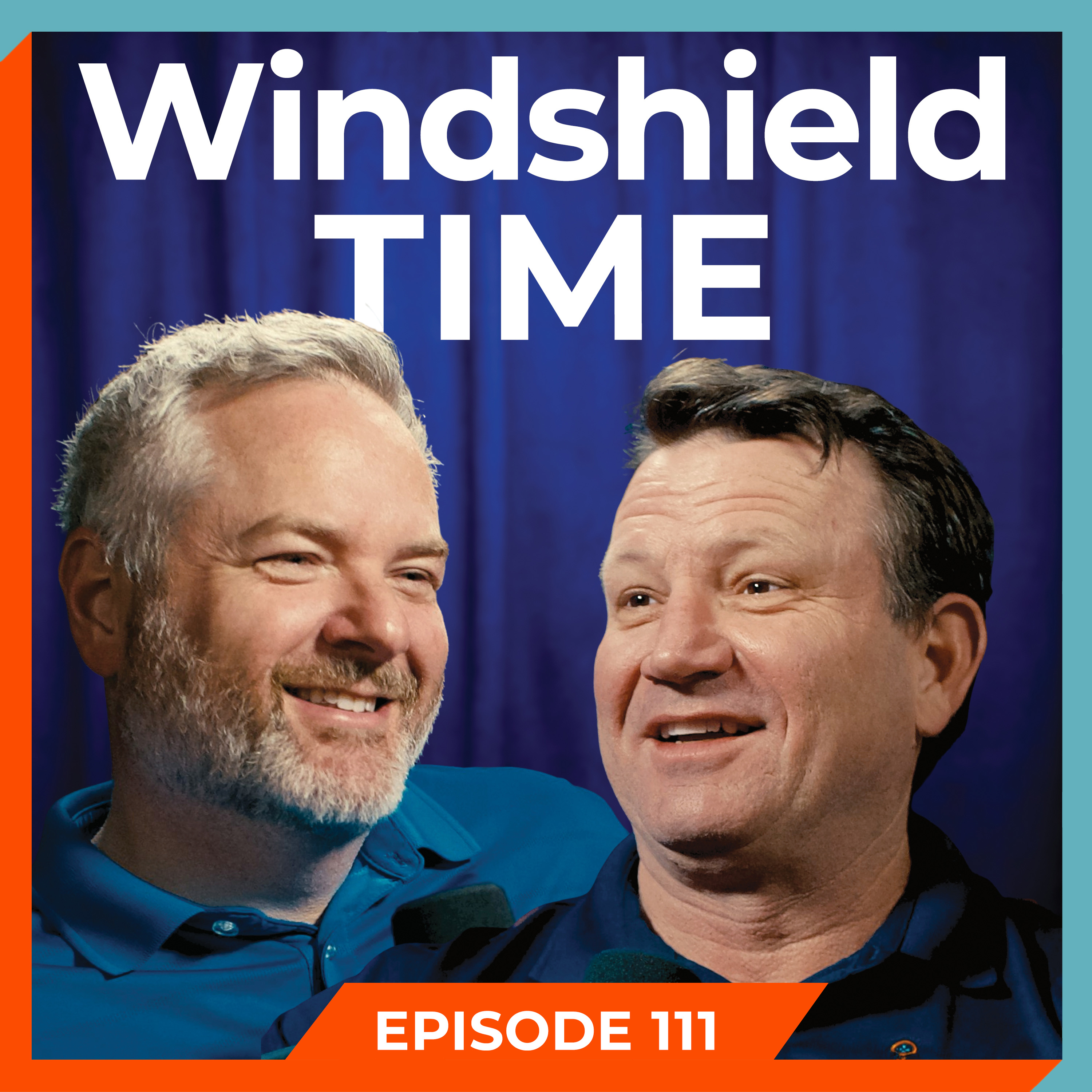
⏱️ 51:12 🎀 Chris Elmore, James Walker Jr.
AUDIO EPISODE
Why Authority and Scarcity Make Customers Say “Yes”
0:00
0:00

Chapters

Click to jump to section

  • 0:00
    Introduction to Authority & Scarcity
    Chris Elmore and James Walker Jr. introduce the episode's focus on the last two principles of influence: authority and scarcity.
  • 3:42
    Defining Authority
    The hosts explain that authority, in this context, means submitting to someone's expertise and knowledge, rather than dictatorial rule.
  • 4:12
    Authority in Action: The Cartel
    James shares a disturbing story of how cartel members used the guise of police authority to kidnap people in Mexico, highlighting the power of perceived authority.
  • 5:29
    Medical Authority Example
    The discussion shifts to how a doctor's authority is established through surroundings, credentials, and presentation, even before direct interaction.
  • 7:45
    Contractor Authority vs. Medical
    The hosts contrast the inherent authority granted to doctors with the challenges faced by contractors in establishing credibility, noting the lack of public awareness regarding trade education.
  • 9:29
    Maintaining Credibility
    They emphasize that a contractor's credibility, once established by the office or vehicle, can be quickly diluted by personal appearance, speech, and actions once inside a customer's home.
  • 10:12
    Scarcity: Potent & Dangerous
    The conversation moves to scarcity, acknowledging its power but also its potential for manipulation if not used ethically.
  • 10:55
    Scarcity of Loss vs. Gain
    It is highlighted that people are more motivated by what they stand to lose than what they stand to gain, making the consequence of inaction a powerful motivator.
  • 11:49
    Misusing Scarcity: Refrigerant Example
    The hosts discuss how a lack of education or misinterpretation of regulations can lead contractors to create false scarcity, such as misleading customers about refrigerant availability.
  • 15:30
    Scarcity in Future Repairs
    The episode concludes by addressing how scarcity can be misused when discussing future repairs, emphasizing the importance of bridging the gap between 'possible' and 'probable' outcomes with factual information.

Speakers

C
Chris Elmore
Host β€” Service Excellence
J
James Walker Jr.
Host

Key Takeaways

✦

Cultivate a professional appearance and communication style to immediately establish authority upon entering a customer's home, as your company's reputation alone won't suffice.

✦

Eliminate filler words like 'um' and 'you know' from your vocabulary to enhance perceived intelligence and authority during customer interactions.

✦

Understand that customers are more motivated by the potential loss from inaction (e.g., increased costs, system failure) than by the gains from immediate action, and frame your recommendations accordingly.

✦

Stay thoroughly educated on industry regulations, material availability (like refrigerants), and economic trends (like inflation) to provide accurate information and avoid creating false scarcity.

✦

When discussing potential future repairs, differentiate clearly between what is 'possible' and what is 'probable' based on your expertise, avoiding exaggeration to pressure customers into unnecessary decisions.

Want the full experience?

Join the Inner Circle for full access to every episode, AI-powered insights, personalized coaching, and a network of industry leaders.

Join Inner Circle β†’

Inner Circle Membership Portal © 2026 Power100. All rights reserved.

power100.io