
Inner Circle
← Back to Listen
Content

How Great Techs Present Findings Without Losing the Customer
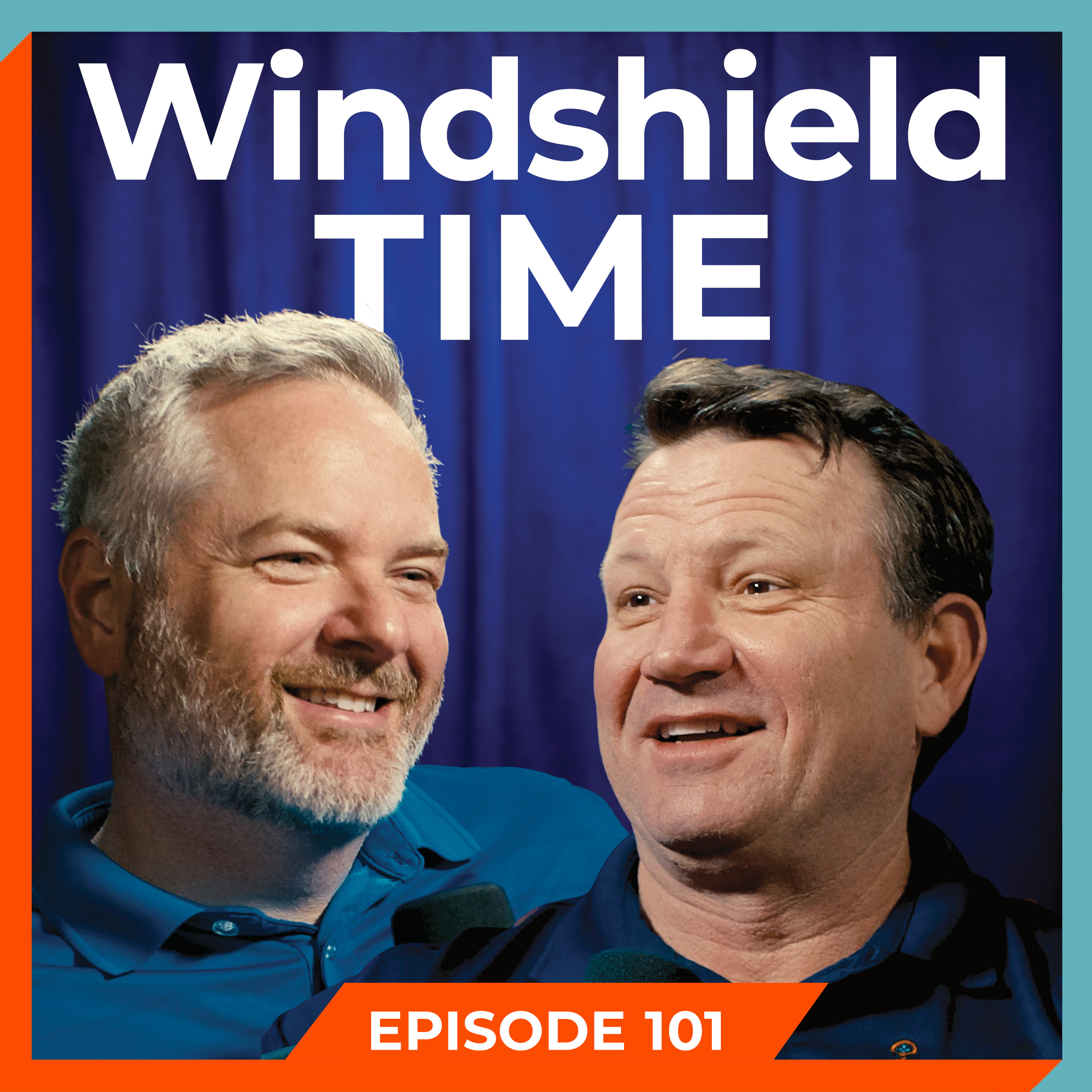
⏱️ 37:26 🎀 Chris Elmore, Harold James Walker Jr.
AUDIO EPISODE
How Great Techs Present Findings Without Losing the Customer
0:00
0:00

Chapters

Click to jump to section

  • 0:00
    Introduction & Athlete Debate
    Chris Elmore and J-Dub introduce the episode's topic and then discuss their picks for the greatest professional athletes.
  • 0:41
    Presenting Findings Starts Early
    The hosts delve into the core topic, asserting that presenting findings effectively begins with the initial questions asked during an evaluation.
  • 1:01
    Setting Context with Questions
    Chris explains how open-ended questions about appliance age, maintenance, and water quality can set crucial context for customers.
  • 3:22
    The 'Bomb Blast' Analogy
    J-Dub introduces an analogy of a 'bomb blast' to illustrate how customers react negatively when hit with unexpected repair news without prior context.
  • 4:58
    Seven Steps for Presenting
    J-Dub outlines seven key steps for technicians to effectively present findings, focusing on meaning over money and logical connections between issues.
  • 5:53
    Connecting Findings Logically
    The discussion highlights the importance of linking findings as a 'chain of events' using causal language rather than simply listing independent issues.
  • 6:43
    Separating Meaning from Money
    The hosts stress the importance of separating the conversation about the meaning and implications of the findings from the actual cost of options.
  • 7:38
    Educating the Customer
    Chris concludes by emphasizing that continuous customer education throughout the service call prevents 'bomb blasts' and builds trust.

Speakers

C
Chris Elmore
Host
H
Harold James Walker Jr.
Host

Key Takeaways

✦

Begin presenting findings during the initial customer evaluation by asking open-ended questions that gather information and simultaneously set context for potential issues.

✦

Actively educate customers on the significance of their answers (e.g., age of equipment, maintenance history) to manage expectations and preemptively address concerns.

✦

Frame your findings as a logical 'chain of events' using causal language (e.g., 'because of,' 'led to') instead of merely listing disconnected problems.

✦

Separate the 'meaning' of your findings (what's wrong and why it matters) from the 'money' (the cost of solutions) to ensure customers understand the value before seeing the price.

✦

Prioritize re-entry by ensuring you have the customer's time, focus, and that all relevant decision-makers are present for the findings discussion.

✦

Always start your findings presentation by addressing the customer's original reason for the service call, even if other significant issues were found.

✦

If possible, tie your current findings back to earlier conversations or the customer's known plans (e.g., home renovations) to make the impact of issues more personally relevant.

Want the full experience?

Join the Inner Circle for full access to every episode, AI-powered insights, personalized coaching, and a network of industry leaders.

Join Inner Circle β†’

Inner Circle Membership Portal © 2026 Power100. All rights reserved.

power100.io