
Inner Circle
← Back to Listen
Content

Why Great Salespeople Read People, Not Scripts
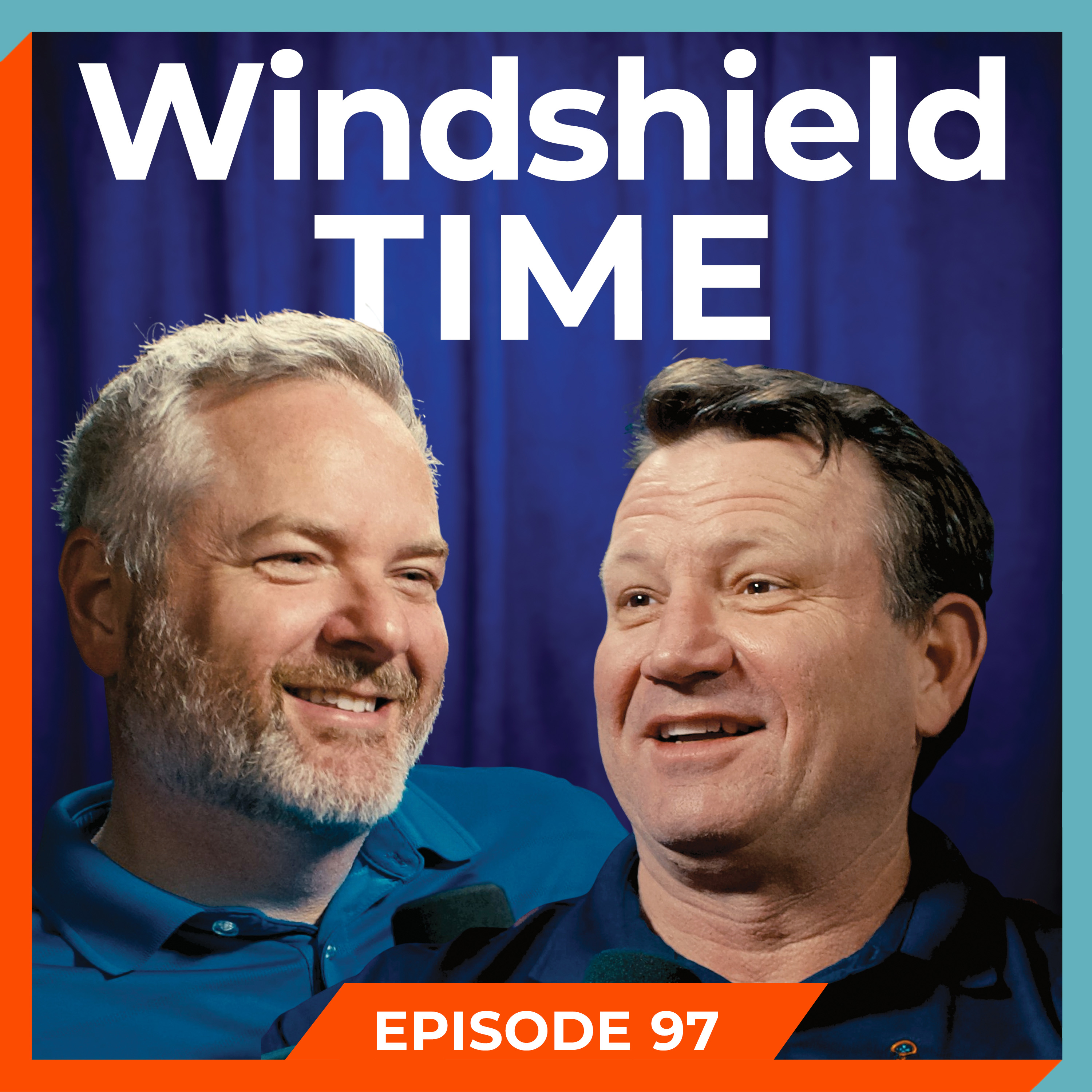
⏱️ 43:16 🎀 Chris Elmore, Harold James Walker Jr.
AUDIO EPISODE
Why Great Salespeople Read People, Not Scripts
0:00
0:00

Chapters

Click to jump to section

  • 0:00
    DISC Profiles & Objections
    The hosts introduce the topic of DISC personality profiles and their application in handling customer objections in the home service industry.
  • 0:39
    Identifying Profiles
    The discussion delves into how to identify DISC profiles using demeanor, pace, and conversation, and the concept of natural versus adapted personalities.
  • 2:08
    Speaking Their Language
    Chris explains that adapting communication to a customer's DISC profile allows professionals to 'speak their language,' fostering deeper connection and understanding.
  • 2:32
    DISC in Action
    The hosts use an elevator analogy to illustrate how different DISC profiles react in high-stress situations, highlighting their natural tendencies.
  • 26:48
    First Impressions & Questions
    Practical tips are provided on how to observe customer behavior upon arrival and use open-ended questions to further identify their DISC profile.
  • 37:03
    FORM & Profiles
    The FORM (Family, Occupation, Recreation, Material possessions) method is introduced as a way to build rapport, aligning conversation topics with specific DISC profiles.
  • 45:32
    Objection Tendencies
    The conversation shifts to common objections and how different DISC profiles tend to present them, emphasizing these are tendencies, not certainties.
  • 1:15:08
    Your Profile & Adaptation
    The hosts discuss the importance of understanding one's own DISC profile and how it influences objection handling, stressing the need for early adaptation.

Speakers

C
Chris Elmore
Host
H
Harold James Walker Jr.

Key Takeaways

✦

Learn to identify customer DISC profiles (Driver, Influencer, Steady, Conscientious) by observing their demeanor, pace, and conversation style.

✦

Adapt your communication style to match the customer's dominant DISC profile, as 'speaking their language' goes to their heart and builds rapport.

✦

Use open-ended questions early in the interaction to gauge a customer's profile, as their response can reveal their natural tendencies.

✦

Understand that different DISC profiles have tendencies regarding which objections they will raise, but be prepared for any objection as these are not certainties.

✦

Recognize your own DISC profile and how it impacts your communication; adapt your approach rather than expecting customers to adapt to you.

✦

Apply the FORM (Family, Occupation, Recreation, Material possessions) method to build rapport by discussing topics that align with the customer's likely profile interests.

✦

Remember that adapting to a customer's profile is about communication, not manipulation, and can significantly minimize or eliminate objections.

Want the full experience?

Join the Inner Circle for full access to every episode, AI-powered insights, personalized coaching, and a network of industry leaders.

Join Inner Circle β†’

Inner Circle Membership Portal © 2026 Power100. All rights reserved.

power100.io